
As wildfires grow larger and more destructive across the West, forest health projects remain stuck in court.
It can take a decade to plan a project and a single court ruling to stall it completely, even as wildfires continue to burn severely on public lands, impacting communities, wildlife habitat, clean air and water.
The recent court decision vacating the South Plateau Landscape Area Treatment Project on Montana’s Custer-Gallatin National Forest is just one example. The project was designed by public lands managers to treat more than 16,000 acres, reduce wildfire risk, respond to beetle outbreaks, and improve long-term forest health.
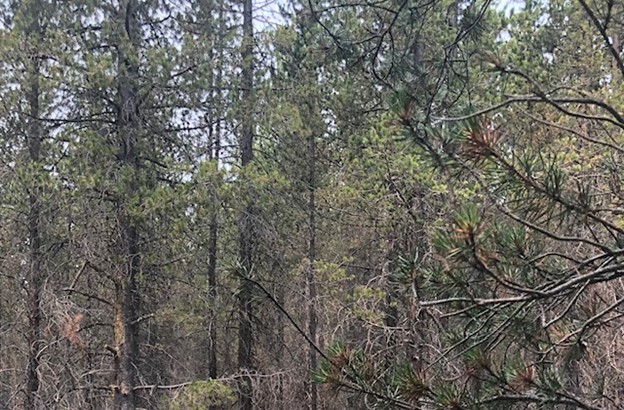
It also would have supplied about 83 million board feet of timber over 15 years to support local mills and rural jobs. After years of analysis and review, the project was stopped by litigation.
For the people doing this work, the frustration is real. In a recent newspaper interview, Sun Mountain Lumber forester Sean Steinebach said he was stunned by the decision and blunt about the outcome. “Judges should not be managing our forests,” he said.
From his perspective, incessant lawsuits are sabotaging projects meant to keep forests healthy and communities alive. He noted that mills are now hauling logs hundreds of miles to stay running, driving up costs and threatening jobs.
South Plateau is not an isolated case. Across the country, forest projects are the most frequent target of environmental lawsuits.
A review of federal appellate court cases found that more than one third of all litigation under the National Environmental Policy Act involved public lands management, and nearly half of those cases challenged forest management projects.
Most of these lawsuits are brought by a small number of national organizations, not local communities.
The impact of this litigation is delay, not better outcomes. Federal agencies ultimately prevail in about 80 percent of cases under the National Environmental Policy Act, meaning courts usually uphold the underlying environmental analysis. Even so, lawsuits add years to project timelines.
On average, NEPA litigation takes more than four years to resolve. For forest management projects, challenges add nearly four years of delay even when the agency wins.
Those delays matter. Forests do not pause while appeals move through the courts. Dead and dying trees continue to accumulate. Fire seasons grow longer and more severe. Projects meant to reduce fuel loads and improve resilience are pushed further into the future, often becoming more costly and harder to implement.
This is a national problem. From Montana to California to the Pacific Northwest, litigation is slowing the pace and scale of forest management on public lands.
Congress has a role to play. If lawmakers are serious about reducing wildfire risk and supporting rural communities, they must address a system that prioritizes delay over action, before the next fire decides for us.