
For decades, federal wilderness and forest policies have largely been guided by a preservation framework rooted in laws written 40 to 50 years ago.
These policies were adopted in a different era, before prolonged drought, extreme wildfire behavior, insect outbreaks, and rapid climate shifts began reshaping our forests at an unprecedented pace.
Recent research highlights an important reality that many landscapes we consider wilderness were historically shaped by active human stewardship, particularly by Indigenous communities who used intentional burning and tending practices to sustain forest health and resilience.
The research explains that ecosystems are dynamic. They evolve, respond, and change based on disturbance, climate, and management.
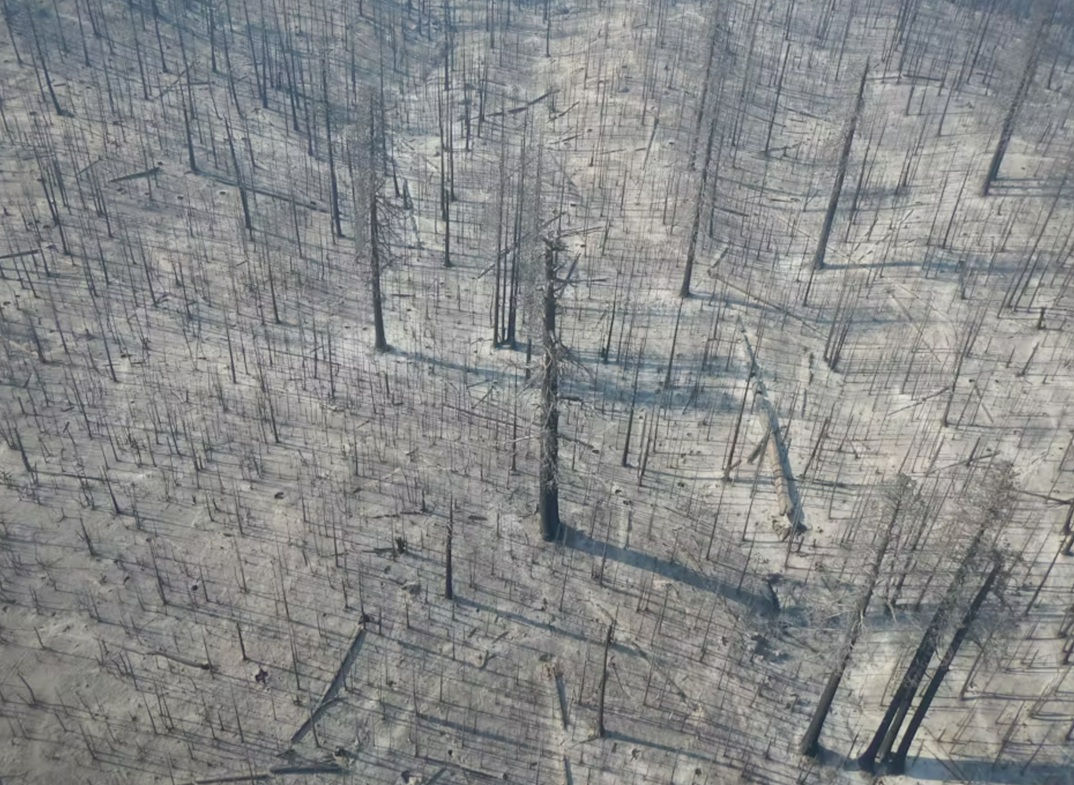
Today, many federal forests face severe fuel buildup after decades of fire exclusion and limited active management. Large, high severity wildfires are transforming forests into shrublands, threatening wildlife habitat, water quality, carbon storage, and rural communities.
Those results align with decades of field experience. Forest health improves when we actively care for the land.
Tools such as timber harvest, thinning, and prescribed fire are grounded in decades of silvicultural science. These practices reduce hazardous fuels, improve forest structure, support biodiversity, and provide the wood products society relies on.
Federal forest policies must evolve to reflect present-day realities. Climate change, prolonged drought, and megafire were not central considerations when many “bedrock” environmental laws were enacted.
Modern conservation demands flexibility and the willingness to apply proven management tools at a meaningful scale.
The real question is whether we keep relying on outdated rules, or use today’s science to manage forests in a way that protects communities, wildlife, and long term forest health. -Nick Smith