
When a wildfire starts in our national forests, it is common sense to put out the fire while it is small. That is also what the American public expects from the agencies responsible for protecting our forests and nearby communities.
Yet a recent Associated Press story described the federal government’s emphasis on quickly suppressing wildfires as a “discredited” approach. The story promotes the idea that more wildfires should be allowed to burn and points to a century of wildfire suppression as a cause of today’s forest health crisis.
Fire suppression has certainly played a role in changing many western forests. That history does not make uncontrolled wildfire a responsible solution for the dangerously overstocked forests we have today.
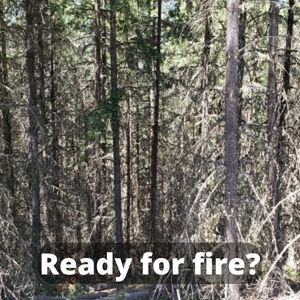
Decades of passive, “hands-off” management have left millions of acres overcrowded with trees and loaded with dangerous fuels. Many of these forests are under severe stress from competition for limited moisture. When wildfire arrives during hot and dry conditions, there is no guarantee it will behave like the frequent low-intensity fires that historically shaped many western forests.
Gambling on an uncontrolled wildfire to fix these conditions is reckless. Fire managers cannot control where a wildfire will go when the wind changes. They cannot guarantee that a fire producing beneficial effects today will remain manageable tomorrow. Once that window closes, nearby communities are left to deal with the consequences.
We have a better way to care for the forests. Mechanical treatment including timber harvest reduces excessive tree density and removes the ladder fuels that carry flames into the canopy. This work can improve growing conditions for the trees that remain and prepare forests for the careful return of prescribed fire.

Research supports this approach. A 2024 review of studies from western conifer forests found that thinning followed by prescribed fire or pile burning reduced subsequent wildfire severity by 62 to 72 percent compared with untreated areas. These results show the value of doing the work before wildfire arrives.
Mechanical treatment also puts people to work. Loggers and other forest professionals have the equipment and experience needed to turn forest management plans into work on the ground. Their work supports rural jobs and supplies renewable wood products while helping reduce wildfire risks. These professionals are true stewards of our forests, and maintaining this workforce is essential if we expect to manage millions of acres that need attention.
Fire belongs in many western forests, but we need to prepare these landscapes for its safe return. Federal agencies should put wildfires out while they are small and move urgently to treat overstocked forests before the next ignition. We should put our loggers to work improving forest conditions and creating safer opportunities for prescribed fire. That is responsible forest management, and it is far better than waiting for a wildfire and hoping for the best.