
Another difficult wildfire season is unfolding across the West, providing another reminder of the urgent need to improve conditions on America’s federal lands.
More than 5.1 million acres have burned so far this year across the Northwest, California, Northern Rockies, Great Basin, Southwest and Rocky Mountain regions, with about 61 percent of those acres reported under the protection of federal land management agencies. In the Northwest, where nearly 1.9 million acres have burned, the federal share exceeds 83 percent.
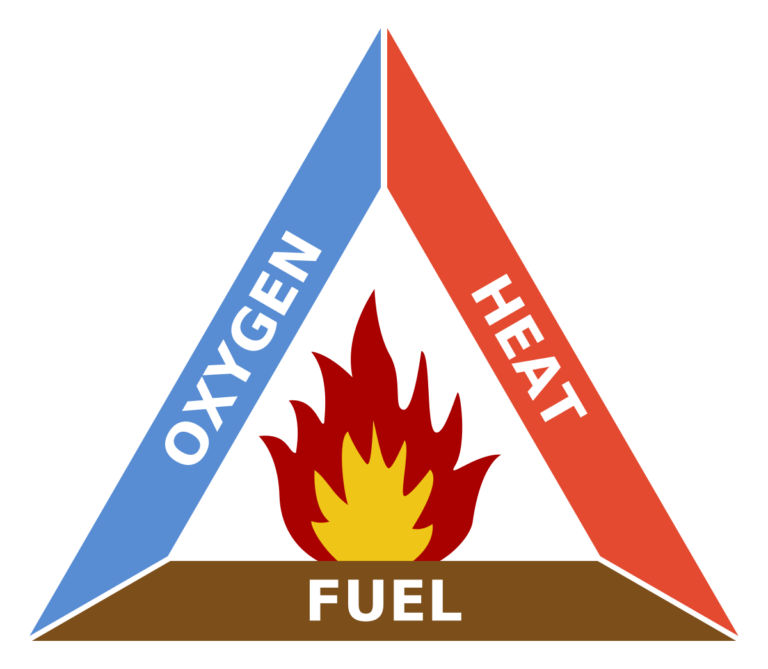
Those acres include forests, grasslands and rangelands, each with different conditions and management needs. But the basic principle of wildfire prevention applies across these landscapes. Fire requires heat, oxygen and fuel, and of those three elements, land managers have the greatest ability to influence fuels before a wildfire starts.
That means reducing excessive vegetation and hazardous fuels through the appropriate tools for each landscape, including thinning, prescribed fire, grazing and other treatments. It also means maintaining roads, fuel breaks and other access that can help firefighters reach fires quickly and safely.
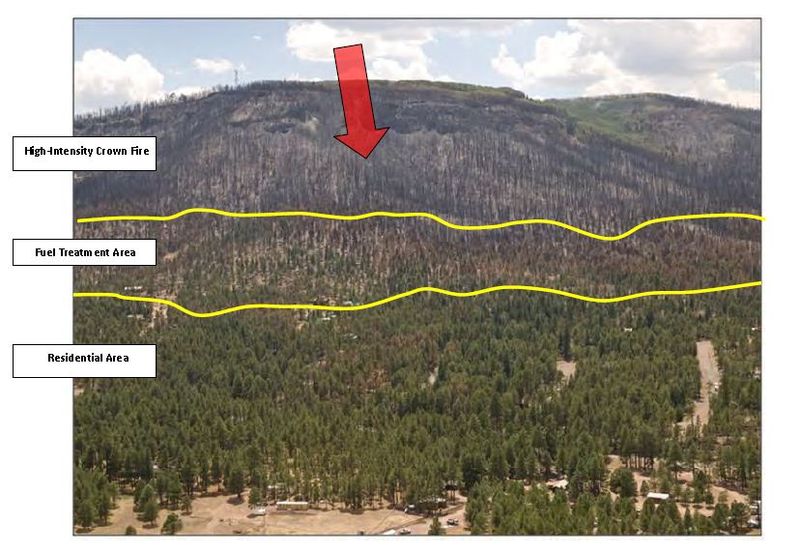
Federal agencies have spent years identifying high risk landscapes, yet projects intended to address these conditions can still take years to move from planning to implementation. The Grasshopper Fire on Oregon’s Mt. Hood National Forest provides a timely example.
According to the American Forest Resource Council (AFRC), years before the fire started, the U.S. Forest Service and Wasco County Forest Collaborative identified the need to reduce hazardous fuels and improve forest conditions in this landscape. They developed the Grasshopper Restoration Project to accomplish work across thousands of acres in an area that was also included in one of the High Priority Landscapes identified through the Biden Administration’s Wildfire Crisis Strategy.
AFRC reports that none of that work was completed before the fire arrived. An anti-forestry group challenged the Grasshopper Restoration Project under the National Environmental Policy Act, and the Forest Service ultimately settled the lawsuit by removing some treatment areas, reducing management in others and imposing additional restrictions.
The federal government also agreed to pay the group $55,000 in attorney fees under the Equal Access to Justice Act. The Grasshopper Fire has now burned more than 63,000 acres in and around the same landscape.
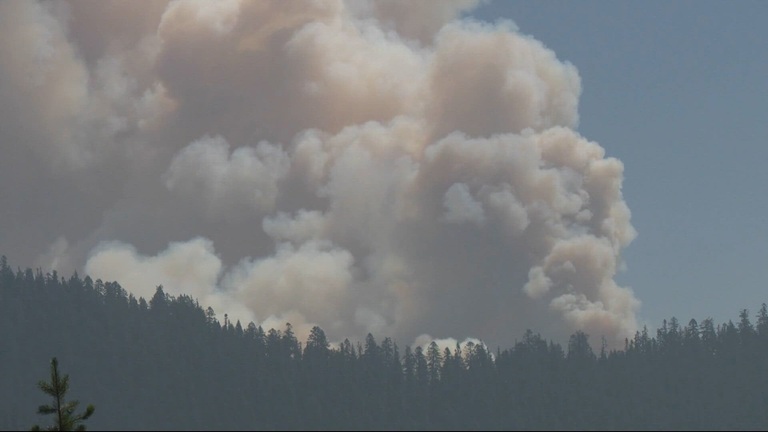
No treatment can prevent every wildfire or make a landscape fireproof. But reducing fuels and improving access can influence fire behavior and give firefighters better opportunities to safely contain fires before they become large and destructive. Grasshopper demonstrates why identifying high risk landscapes is only useful if needed treatments can actually be implemented before wildfire arrives.
The public supports doing this work. A June statewide survey in Washington found that 96 percent of voters agreed harvesting, thinning and replanting are part of responsible forest stewardship, while 95 percent said forest management decisions should be guided by science and professional forestry expertise rather than politics.
Federal agencies know where many high risk landscapes are, and professional land managers know what work needs to be done. We need to be more aggressive about reducing fuels, maintaining access and removing unnecessary barriers, so this work can be completed before the next wildfire arrives.