
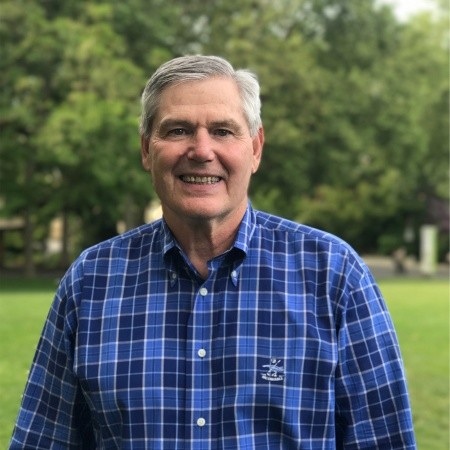
Tom Partin is has spent nearly 60 year in the forestry profession, working for the Forest Service, Private Industry, and for a Trade Association. He has a passion for active forest management that supports our rural communities and counties. Tom was also the mayor of John Day, Oregon for one term.
This summer, wildfire burned across the Ranger District on the Ochoco National Forest where I began my forestry career nearly 60 years ago. In a matter of days, the Rowe Creek Complex burned approximately 343,000 acres. Watching a place I have known for most of my life go up in smoke was another painful reminder that something is badly wrong with the way we are managing our national forests.
The old adage “If it ain’t broke, don’t fix it” hardly applies here. After decades of catastrophic wildfire, declining forest health and struggling rural communities, it is increasingly clear that our federal forest management policies are broken and need to be fixed.
Many of the policies governing our national forests today were developed more than 25 years ago. The Northwest Forest Plan, Eastside Screens, Sierra Nevada Framework and 2001 Roadless Rule imposed significant restrictions on how millions of acres of federal forests could be managed. They were adopted with promises of protecting forests and wildlife, but decades later, we should be willing to look honestly at the results.
The northern spotted owl continues to decline toward extinction. Millions of acres of forests in Oregon, Washington and California have been lost to wildfire, insects and disease, including forests supposedly protected from management. Roadless areas have not been spared either. Similar scenes have played out across the West, including the Grasshopper Fire on the Mt. Hood National Forest and California’s Dixie Fire, which burned nearly a million acres and destroyed much of Greenville.
Our rural communities have suffered as well. Communities that once depended on nearby national forests for timber, recreation and economic activity have watched sawmills close and families leave as federal timber harvests declined. Losing forest products infrastructure has also reduced our ability to do the forest management work desperately needed today.
We cannot prevent every wildfire, and fire will always be part of these landscapes. But we can do much more to influence what happens when fires start by reducing hazardous fuels and improving forest conditions before they burn. That requires rethinking policies that restrict active management based on assumptions made decades ago.
Forest managers need the flexibility to thin overcrowded stands, remove hazardous fuels, harvest timber and use prescribed fire based on conditions on the ground. Forest management should not be dictated by blanket national directives when conditions vary dramatically from one forest or watershed to another.
Fortunately, change is beginning. The Trump Administration has proposed rescinding the 2001 Roadless Rule, while work that began under the Biden Administration to amend the Northwest Forest Plan continues today. The Eastside Screens and Sierra Nevada Framework deserve the same scrutiny.
Changing these policies does not mean abandoning environmental protections or opening every acre to logging. It means recognizing that restrictions written decades ago should not prevent professional land managers from responding to forest conditions today. Individual projects will still have to comply with environmental laws, forest plans and applicable environmental review.
We have had enough experience with political forestry to know it does not work. Our forests need sound, active management guided by science, experience and conditions on the ground. Professional foresters who have spent their careers managing these landscapes should have the tools and flexibility to do their jobs.
I have watched the consequences of our current approach for decades, and this summer I watched them play out again on the forest where my career began. After seeing millions of acres burn and rural communities struggle, continuing the same policies and expecting different results makes little sense. It is time to fix what is broken.