
The House of Representatives has passed the Save Our Sequoias Act with strong bipartisan support, advancing a focused effort to protect and restore giant sequoia groves in California.
The legislation directs the U.S. Forest Service and National Park Service to accelerate fuels reduction and restoration work to improve forest conditions and reduce the risk of severe wildfire.
New research from the Giant Sequoia Lands Coalition shows more than 17 percent of all mature Giant Sequoias have been lost to wildfire since 2015, with most of that loss occurring in recent years. About 18 percent of grove area has experienced high severity fire effects, and many remaining groves lack strong resistance to extreme fire.
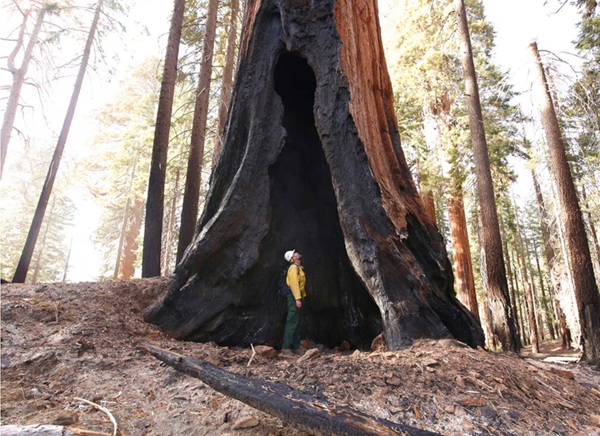
These findings align with the federal government’s own analysis released during the Biden administration. The report, Mature and Old Growth Forests: Analysis of Threats, found that wildfire is the leading threat to older forests, followed by insects and disease.
Since 2000, wildfires have resulted in the loss of approximately 2.6 million acres of mature forest and more than 700,000 acres of old growth on Forest Service and Bureau of Land Management lands. Insects and disease have contributed to the loss of roughly 1.9 million acres of mature forest and more than 180,000 acres of old growth. The same analysis found that a majority of these forests are vulnerable to ongoing disturbance under current conditions.
The Save Our Sequoias Act focuses on treatments that reduce fuels, restore stand structure, and support the use of prescribed fire. These are the tools land managers are using to address the primary drivers of forest loss.
A number of advocacy groups continue to use litigation and administrative challenges to delay or stop forest management projects, often raising concerns about impacts to old growth forests.
These challenges are frequently directed at thinning and fuels reduction projects that are designed to reduce wildfire risk and improve forest conditions. Delays increase costs, limit implementation, and leave forests exposed to wildfire, insects, and disease.
As the bill moves to the Senate, it reflects the need to carry out management at a pace and scale that matches current conditions. Sustaining mature and old growth forests requires continued action to reduce fuels, improve resilience, and address the disturbances that are driving losses across federal forests.